AI Is reshaping campus infrastructure. Is Higher Education ready?
An article from Sponsored AI Is reshaping campus infrastructure. Is Higher Education ready? Published Sept. 1, 2026 By Aaron Dudley, Vice President, Enterprise Sales and Higher Education Market Leader, Schneider Electric
-
 Share
-
 Copy link
-
 Email
-
 LinkedIn
-
 X/Twitter
-
 Facebook
-
 Print
-
Getty Images Sponsored content By Schneider Electric SPONSORED CONTENT BY
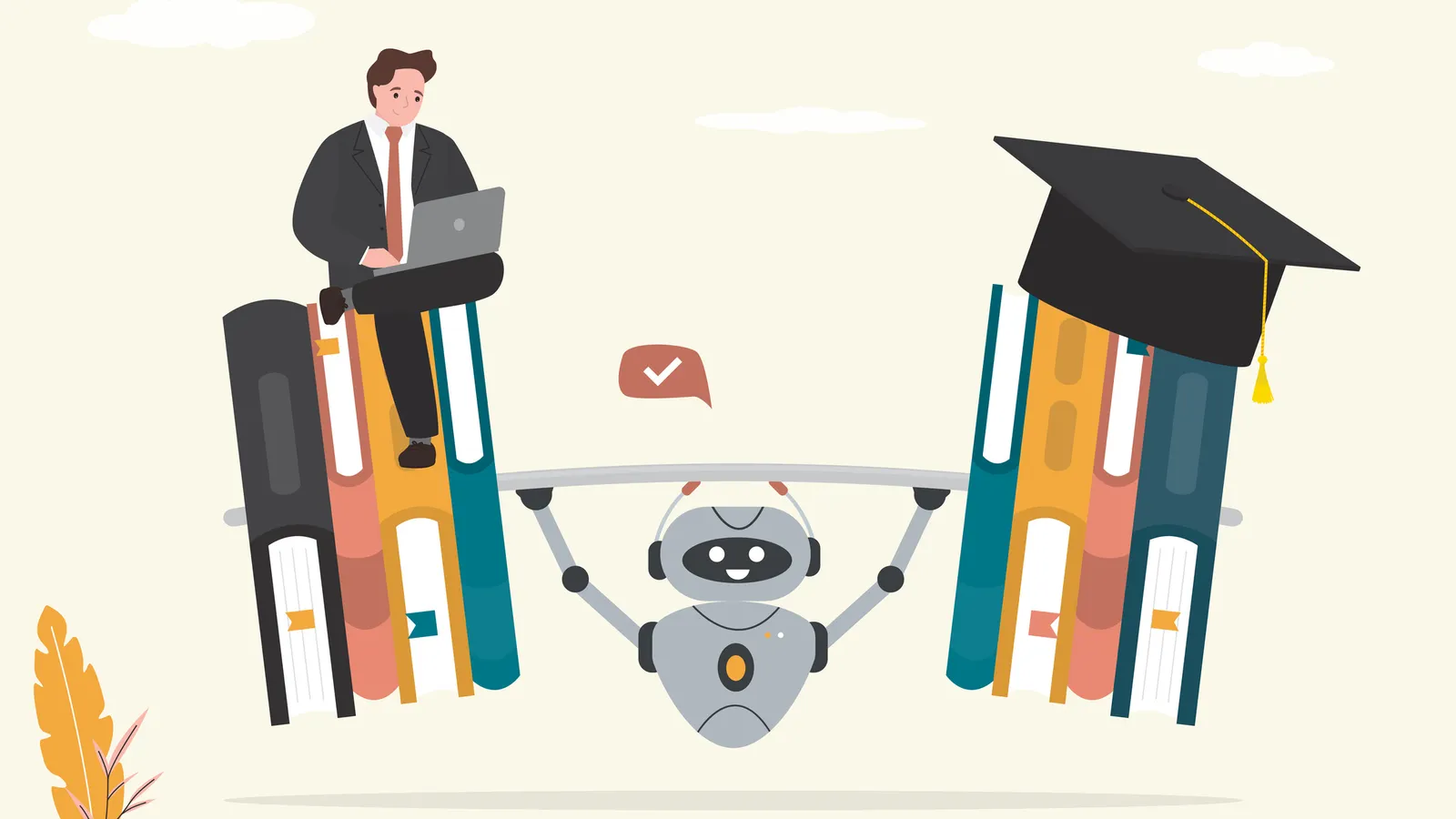
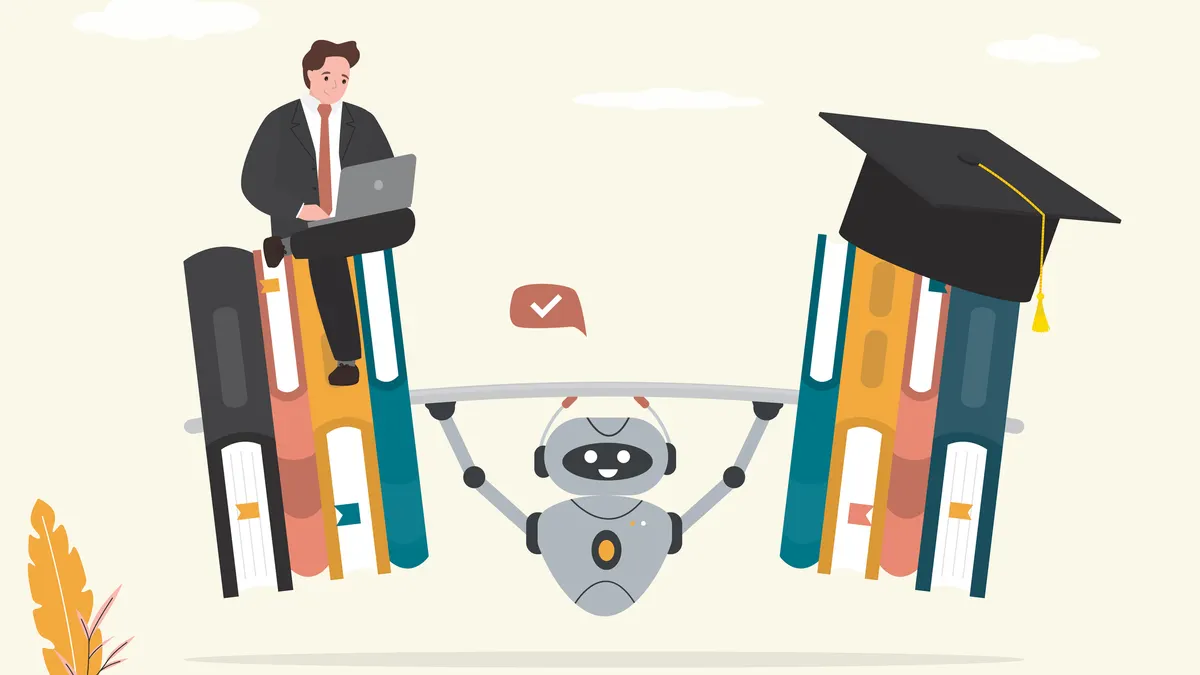
Artificial intelligence (AI) is rapidly transforming higher education, creating new opportunities to enhance student experiences, improve operational efficiency, and support data-driven decision-making. As institutions explore AI-powered applications for learning, research, enrollment, and campus operations, many IT leaders are facing an important question: Is campus infrastructure ready to support AI reliably, securely, and at scale?
The conversation around AI often focuses on applications such as personalized learning, intelligent student support, enrollment optimization, and operational analytics. But behind every AI initiative is a physical infrastructure foundation responsible for delivering the power, cooling, connectivity, security, and operational oversight required to support increasingly demanding workloads.
if (window.dfp_visibility === 'mobile' ) googletag.cmd.push(function() googletag.defineSlot( '/3618/highereddive/highereddivepromotedstoryhybrid1', [[300, 250], 'fluid'], 'dfp-promotedstoryhybrid1-mobile' ).addService(googletag.pubads()); ); waitToLoadAds.push(function() googletag.cmd.push(function() if (window.dfp_visibility === 'mobile' ) window.onDvtagReady?.(() => googletag.display('dfp-promotedstoryhybrid1-mobile')); googletag.pubads().addEventListener('slotRenderEnded', function (event) var adUnitPath = '/3618/highereddive/highereddivepromotedstoryhybrid1'; var onProformative = false; if (onProformative && event.slot.getAdUnitPath() === adUnitPath && !event.isEmpty ) var adUnitPathWithVisibility = adUnitPath + '-mobile'; var selector = '.pf-comments__ad-wrapper #dfp-promotedstoryhybrid1-mobile'; if (!$(selector).closest('.pf-comments__ad-wrapper').hasClass('borders')) $(selector).closest('.pf-comments__ad-wrapper').addClass('borders') ); ); ); if (window.dfp_visibility === 'desktop' ) googletag.cmd.push(function() googletag.defineSlot( '/3618/highereddive/highereddivepromotedstoryhybrid2', [[300, 250], 'fluid'], 'dfp-promotedstoryhybrid2-desktop' ).addService(googletag.pubads()); ); waitToLoadAds.push(function() googletag.cmd.push(function() if (window.dfp_visibility === 'desktop' ) window.onDvtagReady?.(() => googletag.display('dfp-promotedstoryhybrid2-desktop')); googletag.pubads().addEventListener('slotRenderEnded', function (event) var adUnitPath = '/3618/highereddive/highereddivepromotedstoryhybrid2'; var onProformative = false; if (onProformative && event.slot.getAdUnitPath() === adUnitPath && !event.isEmpty ) var adUnitPathWithVisibility = adUnitPath + '-desktop'; var selector = '.pf-comments__ad-wrapper #dfp-promotedstoryhybrid2-desktop'; if (!$(selector).closest('.pf-comments__ad-wrapper').hasClass('borders')) $(selector).closest('.pf-comments__ad-wrapper').addClass('borders') ); ); );
As AI moves closer to where data is generated and decisions are made, infrastructure is becoming a strategic enabler of institutional success rather than a technology operating behind the scenes. Universities are increasingly deploying AI capabilities across research facilities, administrative offices, classrooms, and distributed campus environments. This shift is placing new demands on infrastructure that was often designed for traditional applications rather than high-performance AI workloads.
For higher education institutions, infrastructure planning must balance AI innovation with a long list of competing priorities. IT teams are responsible for supporting technology environments that span data centers, server rooms, network closets, and multiple buildings across campus. Maintaining availability, security, and performance across these environments is already complex. As AI initiatives expand, these challenges can become even more difficult to manage.
Many institutions are discovering that AI adoption requires more than new software tools. New workloads often demand increased computing capacity, greater power availability, and more advanced cooling strategies. Infrastructure teams must also consider long-term scalability to support future growth without introducing unnecessary operational risk. Organizations that take a proactive approach to infrastructure readiness will be better positioned to expand AI initiatives while maintaining resilience, performance, and operational efficiency.
if (window.dfp_visibility === 'mobile' ) googletag.cmd.push(function() googletag.defineSlot( '/3618/highereddive/highereddivepromotedstoryhybrid2', [[300, 250], 'fluid'], 'dfp-promotedstoryhybrid2-mobile' ).addService(googletag.pubads()); ); waitToLoadAds.push(function() googletag.cmd.push(function() if (window.dfp_visibility === 'mobile' ) window.onDvtagReady?.(() => googletag.display('dfp-promotedstoryhybrid2-mobile')); googletag.pubads().addEventListener('slotRenderEnded', function (event) var adUnitPath = '/3618/highereddive/highereddivepromotedstoryhybrid2'; var onProformative = false; if (onProformative && event.slot.getAdUnitPath() === adUnitPath && !event.isEmpty ) var adUnitPathWithVisibility = adUnitPath + '-mobile'; var selector = '.pf-comments__ad-wrapper #dfp-promotedstoryhybrid2-mobile'; if (!$(selector).closest('.pf-comments__ad-wrapper').hasClass('borders')) $(selector).closest('.pf-comments__ad-wrapper').addClass('borders') ); ); );
At the same time, campus technology environments are becoming increasingly distributed. Managing infrastructure across multiple locations can create visibility gaps that make it difficult to identify issues before they impact operations. As a result, many institutions are placing greater emphasis on gaining centralized visibility and operational control across their environments.
By consolidating infrastructure data and monitoring performance to a single platform, IT teams can gain real-time insight into environmental conditions, device health, and lifecycle status across campus. This enables a shift from reactive troubleshooting to proactive management and, ultimately, predictive optimization. This type of digital strategy helps institutions improve uptime, reduce risk, and make more informed planning decisions, quickly.
AI is also accelerating collaboration between IT and facilities teams. Historically, these functions have often worked independently despite sharing responsibility for critical infrastructure performance. Today, power, cooling, and digital infrastructure are becoming increasingly interconnected, creating a need for greater coordination and a more unified operational approach.
By bringing together data from IT systems and physical infrastructure, institutions can create a more complete view of campus operations. Improved collaboration helps support infrastructure resilience, operational efficiency, sustainability initiatives, and long-term planning while ensuring campuses are prepared for the evolving demands of AI-enabled environments. It also helps control growing costs associated with power and cooling.
if (window.dfp_visibility === 'desktop' ) googletag.cmd.push(function() googletag.defineSlot( '/3618/highereddive/highereddivepromotedstoryhybrid4', [[300, 250], 'fluid'], 'dfp-promotedstoryhybrid4-desktop' ).addService(googletag.pubads()); ); waitToLoadAds.push(function() googletag.cmd.push(function() if (window.dfp_visibility === 'desktop' ) window.onDvtagReady?.(() => googletag.display('dfp-promotedstoryhybrid4-desktop')); googletag.pubads().addEventListener('slotRenderEnded', function (event) var adUnitPath = '/3618/highereddive/highereddivepromotedstoryhybrid4'; var onProformative = false; if (onProformative && event.slot.getAdUnitPath() === adUnitPath && !event.isEmpty ) var adUnitPathWithVisibility = adUnitPath + '-desktop'; var selector = '.pf-comments__ad-wrapper #dfp-promotedstoryhybrid4-desktop'; if (!$(selector).closest('.pf-comments__ad-wrapper').hasClass('borders')) $(selector).closest('.pf-comments__ad-wrapper').addClass('borders') ); ); );
Software platforms are playing an increasingly important role in this transformation. Solutions such as Schneider Electric's EcoStruxure™ IT help institutions gain centralized visibility and operational control across distributed environments. By supporting infrastructure monitoring, lifecycle management, capacity planning, and proactive decision-making, these tools help simplify the management of increasingly complex campus technology ecosystems.
Learn More About DCIM:
Schneider Electric DCIM Solutions
Looking ahead, higher education institutions face a pivotal moment. AI will continue to drive innovation across teaching, research, administration, and campus operations. The institutions best positioned to capitalize on these opportunities will be those that invest not only in AI technologies, but also in the resilient, scalable, and digitally managed infrastructure required to support them. It is the foundation that enables institutions to bring AI closer to where learning happens, research advances, and operational decisions are made, ensuring they can innovate with confidence today while preparing for the opportunities of tomorrow.
- Share
- Copy link
- Email
- LinkedIn
- X/Twitter
- Facebook
- Print
-
Filed Under: Technology Higher Ed Dive news delivered to your inbox
Get the free daily newsletter read by industry experts
Email:
- Select user consent: By signing up to receive our newsletter, you agree to our Terms of Use and Privacy Policy. You can unsubscribe at anytime.
Sign up A valid email address is required. Please select at least one newsletter.Editors' picks
-
 Getty ImagesTemple University lays off 40 employees as it tackles deficitBy Ben Unglesbee • July 10, 2026
-
 Getty ImagesETS acquires ACT, consolidating two testing giantsBy Ben Unglesbee • June 30, 2026
Keep up with the story. Subscribe to the Higher Ed Dive free daily newsletter
Email:
- Select user consent: By signing up to receive our newsletter, you agree to our Terms of Use and Privacy Policy. You can unsubscribe at anytime.
Sign up A valid email address is required. Please select at least one newsletter. var siteName = 'Higher Ed Dive' || null; if (siteName) setupFormCallbackAndCreateFormIfSub(siteName, 'inline'); $(document).ready(function () // copy the contents of the generic_signup partial into the desktop_signup_spot $desktop_signup_spot = $("#desktop-inline-signup"); $desktop_signup = $("#inline-signup-html-desktop").children(); $desktop_signup_spot.append($desktop_signup); $("#inline-signup-html-desktop").remove(); );
ES by OMG
Euro-Savings.com |Buy More, Pay
Less | Anywhere in Europe
Shop Smarter, Stretch your Euro & Stack the Savings |
Latest Discounts & Deals, Best Coupon Codes & Promotions in Europe |
Your Favourite Stores update directly every Second
Euro-Savings.com or ES lets you buy more and pay less
anywhere in Europe. Shop Smarter on ES Today. Sign-up to receive Latest
Discounts, Deals, Coupon Codes & Promotions. With Direct Brand Updates
every second, ES is Every Shopper’s Dream come true! Stretch your dollar now
with ES. Start saving today!
Originally posted on: https://www.highereddive.com/spons/ai-is-reshaping-campus-infrastructure-is-higher-education-ready/829297/