Will the College Transparency Act get the green light from lawmakers?
An article from Dive Brief Will the College Transparency Act get the green light from lawmakers?
Major higher education groups argued the proposal would improve student outcomes data ahead of a Senate education committee markup.
Published July 29, 2026 Natalie Schwartz Senior Editor
-
 Share
Share-
 Copy link
 -
 Email
Email -
 LinkedIn
 -
 X/Twitter
 -
 Facebook
 -
 Print
Print
-
-
 License
 -
 Add us on Google
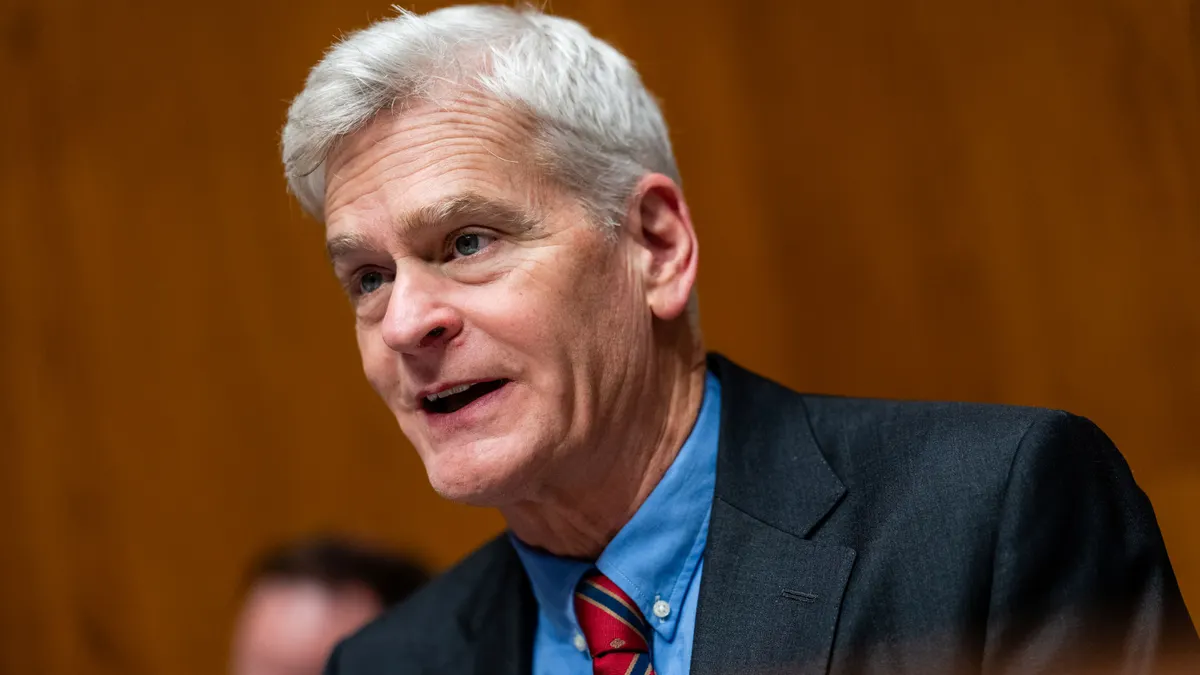
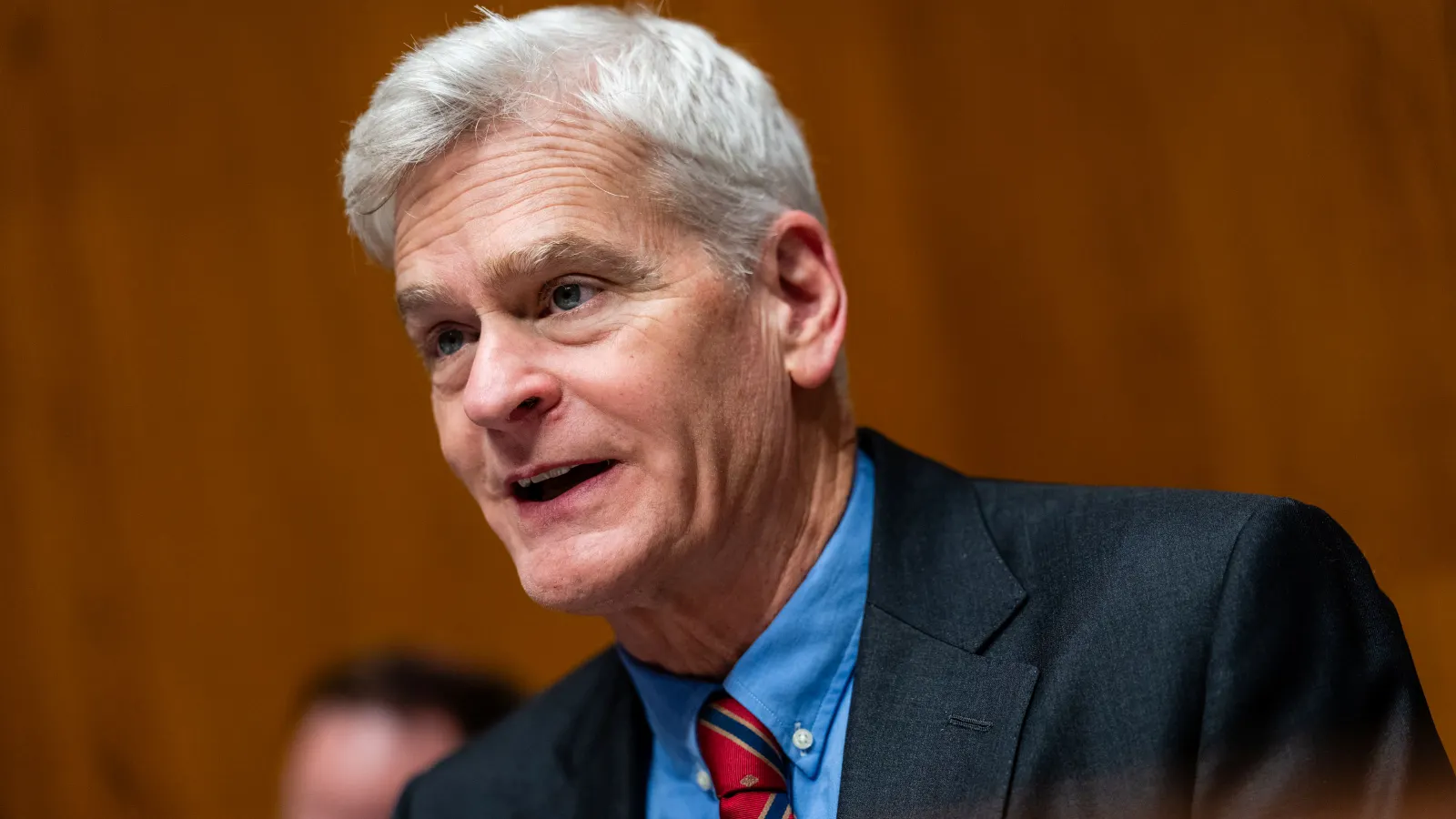
Sen. Bill Cassidy, R-La., speaks during a Senate Health, Education, Labor and Pensions Committee hearing on July 16, 2026, in Washington, D.C. Cassidy and Sen. Elizabeth Warren, D-Mass. reintroduced the College Transparency Act in 2025. Eric Lee via Getty Images Listen to the article 4 min This audio is auto-generated. Please let us know if you have feedback.Dive Snapshot:
-
Major higher education associations are calling on congressional lawmakers to advance the College Transparency Act, which would lift a ban on the federal government collecting student-level data.
-
The Senate Committee on Health, Education, Labor and Pensions plans to consider the bipartisan legislation Thursday. Sen. Bill Cassidy, a Republican from Louisiana and the committee’s chair, reintroduced the bill last year alongside Sen. Elizabeth Warren, a Democrat from Massachusetts.
- The higher ed associations argue the measure would provide students with better information about their options and more accurate data on college outcomes, such as graduation rates and earnings.
The impact:
The U.S. Department of Education collects institution-level and aggregate data from colleges on their students through surveys, including on graduation and retention rates. But federal data on college outcomes is often limited.
For instance, the College Scorecard — a U.S. Department of Education website designed to help students and families make decisions about where to attend college — provides data on student outcomes, but much of it is restricted to those who received federal financial aid.
if (window.dfp_visibility === 'mobile' ) googletag.cmd.push(function() googletag.defineSlot( '/3618/highereddive/highereddivehybrid1', [[300, 250], 'fluid'], 'dfp-hybrid1-mobile' ).addService(googletag.pubads()); ); waitToLoadAds.push(function() googletag.cmd.push(function() if (window.dfp_visibility === 'mobile' ) window.onDvtagReady?.(() => googletag.display('dfp-hybrid1-mobile')); googletag.pubads().addEventListener('slotRenderEnded', function (event) var adUnitPath = '/3618/highereddive/highereddivehybrid1'; var onProformative = false; if (onProformative && event.slot.getAdUnitPath() === adUnitPath && !event.isEmpty ) var adUnitPathWithVisibility = adUnitPath + '-mobile'; var selector = '.pf-comments__ad-wrapper #dfp-hybrid1-mobile'; if (!$(selector).closest('.pf-comments__ad-wrapper').hasClass('borders')) $(selector).closest('.pf-comments__ad-wrapper').addClass('borders') ); ); ); if (window.dfp_visibility === 'desktop' ) googletag.cmd.push(function() googletag.defineSlot( '/3618/highereddive/highereddivehybrid2', [[300, 250], 'fluid'], 'dfp-hybrid2-desktop' ).addService(googletag.pubads()); ); waitToLoadAds.push(function() googletag.cmd.push(function() if (window.dfp_visibility === 'desktop' ) window.onDvtagReady?.(() => googletag.display('dfp-hybrid2-desktop')); googletag.pubads().addEventListener('slotRenderEnded', function (event) var adUnitPath = '/3618/highereddive/highereddivehybrid2'; var onProformative = false; if (onProformative && event.slot.getAdUnitPath() === adUnitPath && !event.isEmpty ) var adUnitPathWithVisibility = adUnitPath + '-desktop'; var selector = '.pf-comments__ad-wrapper #dfp-hybrid2-desktop'; if (!$(selector).closest('.pf-comments__ad-wrapper').hasClass('borders')) $(selector).closest('.pf-comments__ad-wrapper').addClass('borders') ); ); );
That leaves out the roughly one-third of students who don’t receive federal financial aid, according to a letter to Cassidy last October from the Association of Public and Land-grant Universities, the Institute for Higher Education Policy and New America’s higher education program.
Similarly, graduation rates in the Integrated Postsecondary Education Data System — a database many researchers and policymakers rely on — are based only on first-time, full-time students. That likewise omits data on huge swaths of students. For community colleges, that data represents less than half of their students, according to the Association of Community College Trustees, which said it supports the bill.
Supporters of the College Transparency Act say it would fill in those gaps. The bill would overturn the ban on student-level data collection and create a new database within the National Center for Education Statistics.
The 2008 reauthorization of the Higher Education Act implemented the ban. Rep. Virginia Foxx, a North Carolina Republican, put forward the provision based on student privacy concerns.
Four prominent higher education associations, including the Association of American Universities, argued in a July 27 letter that the need for the legislation “has become more urgent as the federal government has become increasingly interested in using outcomes data to inform higher education policy and investments.”
They pointed to a new Education Department earnings accountability framework, which requires colleges to prove their graduates have better earnings than those with only high school diplomas — or risk losing access to federal student loans. However, much of the data that goes into that framework only counts students who received federal financial aid, the associations wrote.
if (window.dfp_visibility === 'mobile' ) googletag.cmd.push(function() googletag.defineSlot( '/3618/highereddive/highereddivehybrid2', [[300, 250], 'fluid'], 'dfp-hybrid2-mobile' ).addService(googletag.pubads()); ); waitToLoadAds.push(function() googletag.cmd.push(function() if (window.dfp_visibility === 'mobile' ) window.onDvtagReady?.(() => googletag.display('dfp-hybrid2-mobile')); googletag.pubads().addEventListener('slotRenderEnded', function (event) var adUnitPath = '/3618/highereddive/highereddivehybrid2'; var onProformative = false; if (onProformative && event.slot.getAdUnitPath() === adUnitPath && !event.isEmpty ) var adUnitPathWithVisibility = adUnitPath + '-mobile'; var selector = '.pf-comments__ad-wrapper #dfp-hybrid2-mobile'; if (!$(selector).closest('.pf-comments__ad-wrapper').hasClass('borders')) $(selector).closest('.pf-comments__ad-wrapper').addClass('borders') ); ); );
“These gaps leave policymakers, institutions, and prospective students with an incomplete and sometimes misleading picture of institutional and program performance,” they wrote to HELP Committee leadership.
However, not all higher education associations support the bill. The National Association of Independent Colleges and Universities said in a web post last week that it has long opposed the bill over concerns about both student privacy and added regulatory burden on institutions.
The background:
Lawmakers have now introduced the College Transparency Act several times. In 2022, it passed the House as an amendment to a larger bill, but was ultimately left out of the final legislation.
What we’re watching:
In its post last week, NAICU said passage by the full Senate was unlikely, pointing in part to Congress’ upcoming August recess and a legislative backlog. A companion bill has been introduced in the House, but that chamber’s education committee has not scheduled a hearing to consider it.
- Add us on Google
- Share
- Copy link
- Email
- LinkedIn
- X/Twitter
- Facebook
- Print
-
 License
-
Filed Under: Federal Policy Higher Ed Dive news delivered to your inbox
Get the free daily newsletter read by industry experts
Email:
- Select user consent: By signing up to receive our newsletter, you agree to our Terms of Use and Privacy Policy. You can unsubscribe at anytime.
Sign up A valid email address is required. Please select at least one newsletter.Editors' picks
-

 Getty ImagesETS acquires ACT, consolidating two testing giantsBy Ben Unglesbee • June 30, 2026
 -
 Getty Images‘Professional degree’ list is expanded. But education still didn’t make the cut.By Anna Merod • July 2, 2026
Keep up with the story. Subscribe to the Higher Ed Dive free daily newsletter
Email:
- Select user consent: By signing up to receive our newsletter, you agree to our Terms of Use and Privacy Policy. You can unsubscribe at anytime.
Sign up A valid email address is required. Please select at least one newsletter. var siteName = 'Higher Ed Dive' || null; if (siteName) setupFormCallbackAndCreateFormIfSub(siteName, 'inline'); $(document).ready(function () // copy the contents of the generic_signup partial into the desktop_signup_spot $desktop_signup_spot = $("#desktop-inline-signup"); $desktop_signup = $("#inline-signup-html-desktop").children(); $desktop_signup_spot.append($desktop_signup); $("#inline-signup-html-desktop").remove(); );
ES by OMG
Euro-Savings.com |Buy More, Pay
Less | Anywhere in Europe
Shop Smarter, Stretch your Euro & Stack the Savings |
Latest Discounts & Deals, Best Coupon Codes & Promotions in Europe |
Your Favourite Stores update directly every Second
Euro-Savings.com or ES lets you buy more and pay less
anywhere in Europe. Shop Smarter on ES Today. Sign-up to receive Latest
Discounts, Deals, Coupon Codes & Promotions. With Direct Brand Updates
every second, ES is Every Shopper’s Dream come true! Stretch your dollar now
with ES. Start saving today!
Originally posted on: https://www.highereddive.com/news/will-the-college-transparency-act-get-the-green-light-from-lawmakers/826512/